
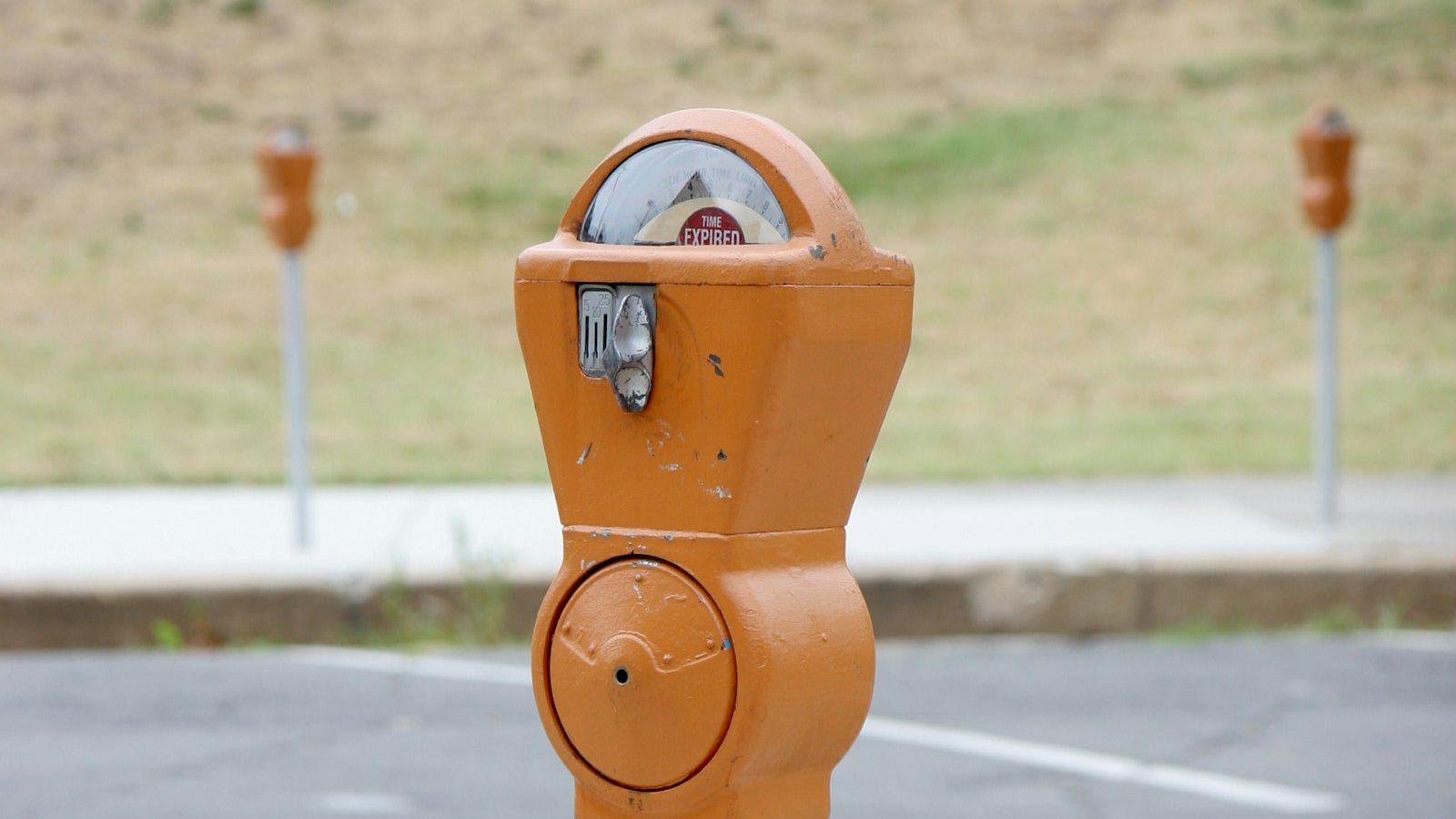
If you own or manage a small private lot, you already know the hidden costs of meters and pay stations. The purchase is only the start. After that come maintenance, repairs, receipt paper, coin collection, cash reconciliation, and the revenue lost every time a machine goes down and drivers park for free.
More lot owners, business districts and small municipalities are skipping the hardware entirely and letting drivers pay from their own phones. Here is how that works, what to plan for, and how to make the switch without disrupting the people who already park with you.
What meter hardware really costs
When lot owners add up the true cost of a meter or a pay station, the list is longer than expected:
- Purchase and installation, often the largest single line item.
- Maintenance and repairs, including vandalism and weather damage.
- Cash handling: collection, counting, and the security risk of cash on site.
- Downtime, when a broken machine means drivers cannot pay, or do not.
- Upgrades, when card readers or payment standards change and older units fall behind.
For a lot with a handful of spaces, those costs can eat a large share of what the lot earns.
How pay-by-phone works without a pay station
A no-hardware metered lot replaces the machine with a sign. The sign shows a six-digit code and one line of instructions. From there:
Type the code
The driver opens parkhere.ai, signs in with their phone number and the code texted to them, and types the six digits from the sign.
Pick the hours and pay
They choose their vehicle and how long they are staying, from one hour to twenty-four, see the price with tax, and pay by card.
The plate goes on the list
The payment settles to your own Stripe account and the plate appears on the live list your patrol checks from their phone, until the time runs out.
There is nothing on site to break, empty or upgrade, and no app for the driver to download.
Setting rates that work
Moving to pay-by-phone is a good moment to revisit pricing:
- Look at nearby rates. Drivers compare, so start close to what similar lots charge.
- Price for real behaviour. The driver chooses how many hours to buy, so the hourly rate is the lever. A lot beside a coffee shop wants a rate that makes one hour cheap; a lot beside offices wants a rate that makes a full day reasonable.
- One rate per lot. Each ParkHere lot has its own hourly rate, space count, tax rate and description, and there is no time-of-day pricing today. If two areas deserve different rates, make them two lots with two codes.
- Keep it simple at launch. One rate is easier for drivers to understand. Add a second lot once you see real usage.
Plan for compliance from day one
Removing the meter does not remove the need to check who paid. Decide before launch who will check vehicles and how often: your own staff, a security team, or a local patrol partner. What matters is that they see the same live list of paid plates you do, so there is no guesswork about who paid and who did not. ParkHere does not tow cars or issue tickets; the officer sees who paid, and a tow request goes to the provider you have set up.
What to expect in the first thirty days
The first month is mostly about driver habits. A few steps make it smoother:
- Post clear signage at every entrance and in the middle of the lot.
- Keep the instructions short. "Type code 123456 at parkhere.ai to pay" beats a paragraph of text.
- Give regulars a little patience while they learn the new process.
- Watch the data. The dashboard shows when people park, by hour and day of the week; adjust the rate once you have a few weeks of it.
See what your lot could earn
ParkHere's metered plan lets private lot owners and small municipalities take payment from drivers' phones with no meters, no pay stations and no app to download. Drivers pay through Stripe, payments settle directly to your own Stripe account, and every paid session appears on a live plate list for compliance. Lots are priced per space per month, with no setup fee and no contract; current rates are on the pricing page. After a demo, a 30-day free trial covers up to 25 spaces.
See how ParkHere works for metered lots, try the revenue calculator (an example, not a quote), or book a demo to walk through it live.